If you’ve searched “detox diet plan for weight loss,” you’ve probably run into two extremes: influencers promising a flat stomach in three days, and nutrition sites insisting detoxing is a total myth. The truth sits in between. Your liver and kidneys already handle toxin removal on their own — no juice cleanse required. But a short, structured reset built around whole foods, hydration, and a calorie deficit can genuinely kick-start weight loss, as long as you understand what’s actually happening in your body while you do it.
This guide breaks down the real mechanics behind detox weight loss, who should skip it entirely, a safe 3-day sample plan, and how to keep results once the “detox” part ends. What are the natural ways to prevent hair falls?
What Is a Detox Diet Plan, Really?
A detox diet plan is a short-term way of eating — typically 1 to 21 days — built around whole, unprocessed foods, increased water intake, and the removal of sugar, alcohol, caffeine, and refined carbs. The marketing language usually claims it “flushes toxins,” but your liver and kidneys perform that job continuously, regardless of what you eat.
What a detox diet plan can do is create the conditions for weight loss: cutting processed food and added sugar almost always reduces daily calorie intake, and reducing sodium and refined carbs pulls water weight out of your tissues quickly. That’s a real, measurable effect — it’s just not “toxin removal.”

Does a Detox Diet Plan Actually Cause Weight Loss?
Yes, but understanding what kind of weight you’re losing changes how you should think about the results.
- Days 1–3: Most of the drop on the scale is water weight, released as glycogen stores (which bind to water) get used up and sodium intake falls.
- Days 4–7: A genuine calorie deficit from whole-food eating starts contributing modest fat loss, typically in the range of 1–2 lbs per week for a well-structured plan — the same rate recommended for sustainable weight loss generally.
- After you stop: If old eating habits return immediately, the water weight comes back within days. The fat-loss portion only sticks if the new habits stick.
Realistic expectation: a 3–7 day detox diet plan usually produces 2–6 lbs of visible loss, most of it water and bloating reduction rather than fat. That’s not a failure — it’s simply useful to know so you don’t judge the plan’s success by the scale alone.
Benefits You Can Realistically Expect
- Lower bloating from reduced sodium and processed-food intake
- More stable energy once initial sugar/caffeine withdrawal passes
- Improved digestion from higher fiber and vegetable intake
- A behavioral reset — a short structured plan can break a cycle of convenience-food eating and rebuild the habit of cooking whole meals
- Better hydration, which supports energy, skin, and digestion regardless of any “detox” effect

Risks and Side Effects to Watch For
- Nutrient gaps: Plans that cut entire food groups (grains, dairy, all fat) for more than a few days risk protein, calcium, or B-vitamin shortfalls
- Energy crashes and irritability: Common in the first 2–3 days, especially if calories drop too low
- Muscle loss: If protein intake falls too far, the body will break down muscle tissue alongside fat
- Digestive upset: Sudden fiber increases or laxative teas can cause cramping, bloating, or diarrhea
- Disordered-eating risk: Repeated short “reset” cycles can normalize restrict-then-rebound patterns, which tend to undermine long-term weight management rather than support it
Who Should Avoid a Detox Diet Plan
Skip or modify a detox diet plan — and talk to a doctor or dietitian first — if any of these apply:
- Pregnant or breastfeeding
- History of an eating disorder or disordered eating patterns
- Diabetes or blood sugar regulation issues
- Kidney or liver disease
- Currently taking prescription medication, especially anything metabolized by the liver
- Under 18 or over 65 without medical guidance
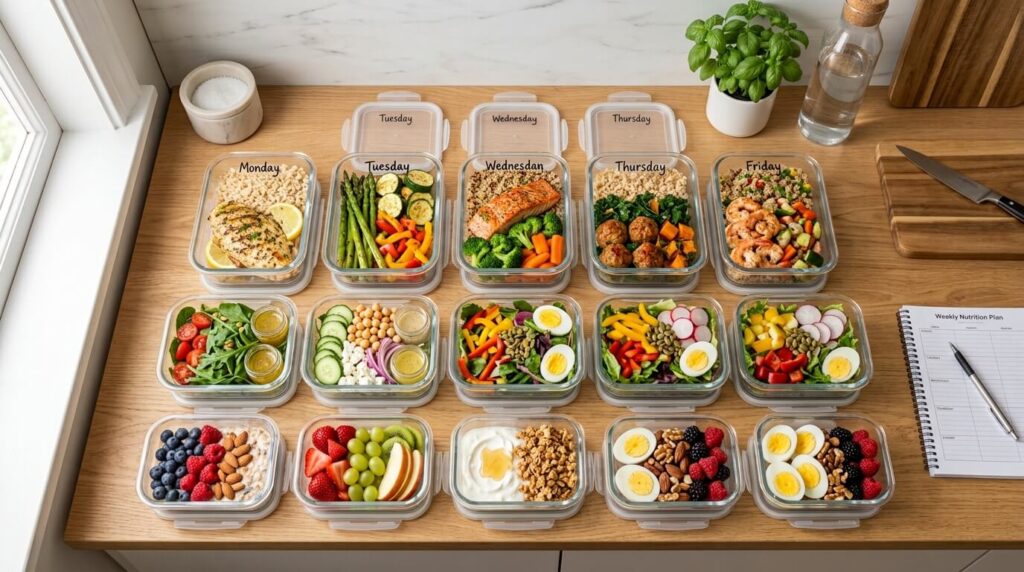
Foods to Eat on a Detox Diet Plan
| Category | Examples |
|---|---|
| Vegetables | Leafy greens, broccoli, cauliflower, bell peppers, cucumber |
| Fruits | Berries, citrus, apples |
| Lean protein | Chicken, fish, tofu, eggs, legumes |
| Whole grains | Quinoa, brown rice, oats |
| Healthy fats | Avocado, olive oil, nuts, seeds |
| Hydration | Water, herbal tea, green tea, lemon water |
Foods to Limit or Avoid
- Added sugar (soda, pastries, candy)
- Ultra-processed and fried foods
- Red and processed meats
- Alcohol
- Excess sodium (packaged soups, deli meats, chips)
A Safe 3-Day Detox Diet Plan for Weight Loss
This structure keeps calories reasonable, protein adequate, and food groups intact — designed to reduce bloating and reset eating habits without the risks of longer or more extreme plans.
Each day:
- Breakfast: Greek yogurt or a protein smoothie with berries and spinach
- Lunch: Grain bowl — quinoa, roasted vegetables, lean protein, olive oil dressing
- Snack: Fruit + a small handful of nuts
- Dinner: Grilled fish or tofu with steamed greens and a lemon-olive oil drizzle
- Hydration: 8+ glasses of water, plus herbal tea; start the morning with warm lemon water
Rotate vegetables and protein sources daily to avoid nutrient monotony, and keep portions consistent rather than drastically cutting calories — the goal is a moderate deficit, not starvation.

Detox Diet vs. Sustainable Weight Loss: A Quick Comparison
| Short-Term Detox Diet | Sustainable Weight Loss Approach | |
|---|---|---|
| Typical duration | 1–7 days | Ongoing |
| Main driver of loss | Water weight, reduced bloating | Fat loss via consistent calorie deficit |
| Speed of results | Fast, visible in days | Gradual, 1–2 lbs/week |
| Risk of rebound | High if habits don’t continue | Low, since it’s built for maintenance |
| Best used as | A habit reset or kickstart | The primary long-term strategy |
The most effective approach often combines both: a short detox-style reset to break processed-food habits, followed by a sustainable, calorie-conscious eating pattern — ideally built with guidance from a [registered dietitian] rather than a generic template.
How to Keep the Weight Off After Your Detox
- Reintroduce whole grains and healthy fats gradually rather than snapping back to prior habits
- Keep the habits that worked — more water, more vegetables, less added sugar — as permanent changes, not a one-time event
- Track how you feel, not just the scale, since much of the initial loss was water weight
- Consider a [structured 7-day meal plan] (internal link opportunity) or a [personalized nutrition consultation]

FAQ
Does a detox diet plan actually help you lose weight? It can trigger fast, visible loss in the first few days, but most of that is water weight and reduced bloating rather than fat. Genuine fat loss depends on maintaining a calorie deficit, which some detox plans do and others don’t.
How much weight can you lose on a detox diet? Most people see 2–6 lbs over 3–7 days, with the bulk of it being water weight. Fat loss during that window is typically modest — in line with the standard 1–2 lbs per week guideline for healthy weight loss.
Is a 3-day or 7-day detox better for weight loss? A 3-day plan is lower-risk and easier to sustain nutritionally. A 7-day plan can build more habit momentum but raises the risk of nutrient gaps if it isn’t well balanced — the length matters less than whether the plan includes adequate protein and calories.
What are the side effects of detoxing? Headaches, fatigue, irritability, and digestive changes are common in the first few days, especially if you’re cutting caffeine or sugar. These usually resolve within 48–72 hours.
Can you detox safely without starving yourself? Yes — the safest approach keeps calories moderate rather than extremely low, includes lean protein at every meal, and avoids eliminating entire food groups for more than a few days.
Who should not try a detox diet? Anyone pregnant or breastfeeding, managing diabetes, kidney or liver disease, recovering from an eating disorder, or taking medication that requires stable food intake should check with a doctor or dietitian first.
What should you eat after finishing a detox? Reintroduce whole grains, dairy, and healthy fats gradually over a few days, and keep the vegetables, hydration, and reduced-sugar habits as your new baseline rather than reverting immediately to prior eating patterns.
Conclusion
A detox diet plan won’t flush toxins your liver wasn’t already clearing — but a short, well-structured reset built on whole foods, adequate protein, and real hydration can genuinely support weight loss and break unhelpful eating patterns. The key is treating it as a starting point, not a finish line: the water weight will come back if the habits don’t stick, but the fat loss and behavior change will, if you carry the plan’s better habits forward.